Surely the title of this post brings to mind the well-known Italian-American influencer chef, QCP, yes? QCP’s videos are hilariously punchy in-your-face, he’s often shirtless or allegedly nude under his apron, and he will frequently reach between his legs to pull spicy or piquant ingredients out of his crotch. Surely that’s who this post is about?

Oddly, no, and yet the parallel is uncanny. The “Nood Dood” of this post is a Mesoamerican deity, described in the following brief text from 17th-century Western New Spain. It was a time when the Indigenous peoples of what is now Mexico were holding fast to their traditions while adapting to the Spanish invasion. From the writings of a monk named Antonio Arias Saavedra who lived in the area at the time, we have this tale:
Narama: The God of Salt, Mezcal, and Chili Peppers
by Cristina Barros, translated by Alison Stewart
[…] One day God organized a feast and invited four other gods: Narama, the god of salt, mezcal, and chili; Uxuu, the goddess of ‘all summer fruits and seeds, who prepares the soil with their dew’; Nenetzi, the cattle breeder; and Nicanori, who was responsible for raising poultry. The latter three filled the table with the fruits of their labors, but Narama came to the table empty-handed and unclothed. ‘He took salt from his face and tossed it over the meat and then took some chilies from his indecent parts and sprinkled them over the entire spread.’ Mortified by Narama’s behavior, the other gods berated him, to which he replied: all the delicacies in their charge were indeed indispensable, but ‘none of them were as important as salt and chili.’ If they tasted the food prepared this way, they would understand the intention behind his actions. And so they ate the food and conceded that his actions were justified.
from El chile: euforia y sutileza. Mexico City: Artes de México, 2023, p. 104.
There’s a lot to unpack from this brief allegory. Pushing past the story’s fusion of various cultural practices and beliefs (syncretism), seen in the casual encounter of “God” with four other gods, for example, and in the existence of a Native-named god for the breeding of livestock that did not exist in Mexico until the arrival of the Europeans–fascinating examples of cultural adaptation–we can, for purposes of this post, focus on the elephant in the room, or rather the nude god at the feast.

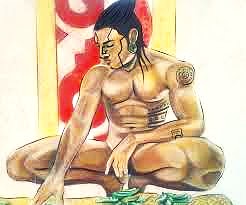
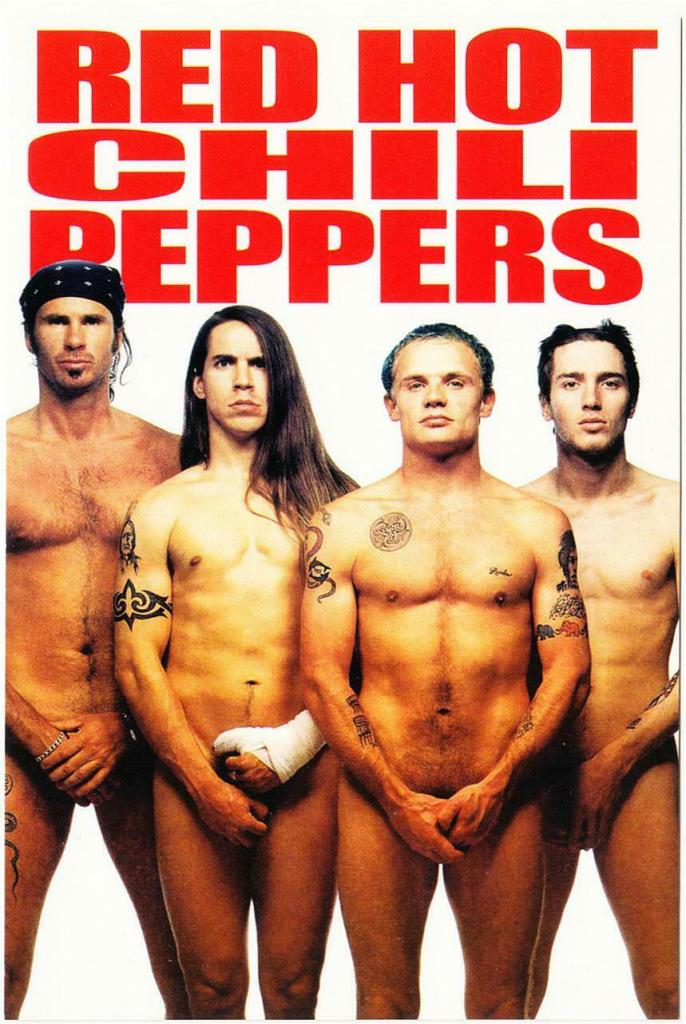
In the first place, this is yet another instance of associating chilies metaphorically with penises, an association of long standing (centuries if not millennia) among the Indigenous peoples of Abya Yala who were the original cultivators of the plant. The reasons for the association include visual resemblance as well as potency of flavor and abundance of seeds. The old tale of the mischief-making nude chili vendor (featured illustration above from this source) is a further example that I wrote about in this recent post. The parallel even carries over into non-Mexican contexts such as the Red Hot Chili Peppers’ penchant for nudity, especially on the part of bass player Flea.
Narama’s sourcing of salt from his face links it with sweat. In researching sweat for this post, I learned there are two kinds of sweat glands: eccrine and apocrine. The eccrine glands are found all over the body but particularly on the forehead among other areas, and produce a salty, thin sweat. The apocrine glands, which do not become active until puberty, are located in the armpits and groin, and produce a thicker, oilier and more pungent sweat related to stress and pheromones (although some people possess a gene variant that allows them to run around free of body odor). Evidently the salt that Narama provides is related to daily work and normal activities while the chili would be related to emotional or sexual tension and release, although anyone working strenuously will be sweating all over, from both eccrine and apocrine glands. We don’t know why Narama is sweating – perhaps just from his travel to the feast.
What the other gods are wearing goes unsaid, because the importance is given to Narama’s nudity and his exposure of a “naked truth” that the other gods did not seem to want to consider: without his sharp flavorings, the meats and harvested crops would not be very feast-worthy at all. After all, we naturists and nudists know that “working up a good sweat” – especially in the open air – is so much more enjoyable when nude. And I think there’s even more meaning to be gleaned here: Narama is nude, proud, unashamed, and unbothered by the other deities’ attempts to berate him. His message of body acceptance is enhanced beyond mere confirmation to the realm of wonder, pleasure, and joy. The implication is that nudity, or our natural bodily state, is the source of enhancement, creativity, and delight – even on the level of a divinity. Our bodies are to be celebrated. Nudity, in and of itself, improves! Here, nudity is the metaphorical and even literal “spice of life.” It’s a terrific nude-positive message, and when it reaches us from a different time period and a different culture, it becomes all the more powerfully universal.